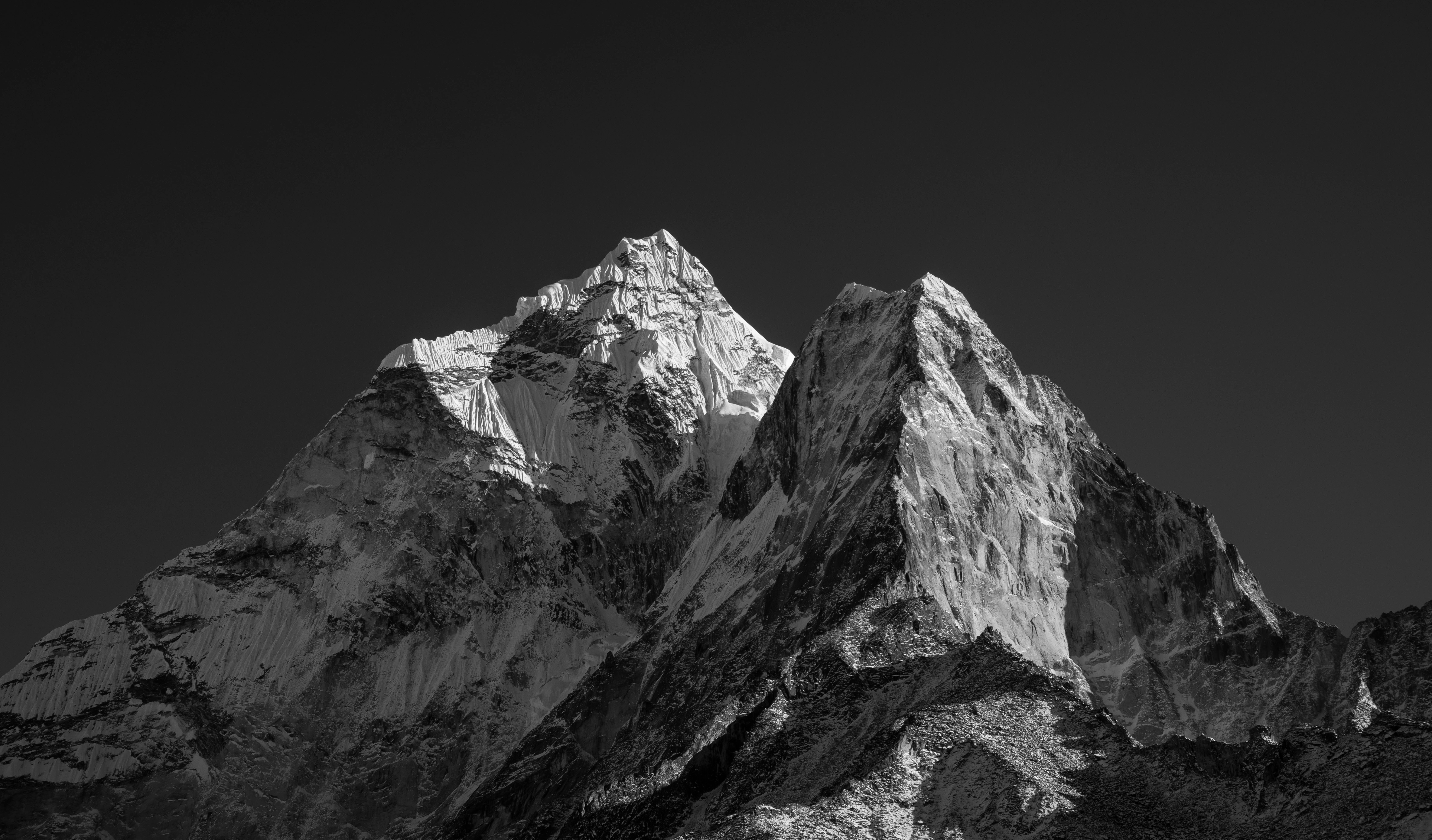
Sagarmatha National Park
Home to the highest point on Earth — Solukhumbu District, Koshi Province, Nepal
Established
1976
UNESCO Heritage Site
Since 1979
Area
1,148 km²
Buffer Zone
275 km² (added 2002)
Elevation Range
2,845 m – 8,848.86 m
Gateway
Lukla (Tenzing–Hillary Airport)
A living monument to the world's highest mountain
Sagarmatha National Park spans the upper Khumbu region of north-eastern Nepal, cradling Mount Everest and a crown of neighboring giants — Lhotse, Nuptse and Ama Dablam among them. Named for the Nepali word for Everest, the park protects one of the most dramatic landscapes on the planet: glacier-carved valleys, alpine forests, and high-altitude desert that climb from 2,845 metres at its lowest gate to the 8,848.86-metre summit of the world's highest mountain. It is also home to the Sherpa people, whose villages, monasteries and mountaineering heritage are as central to the park's identity as its peaks.
Peaks and places that define the Khumbu
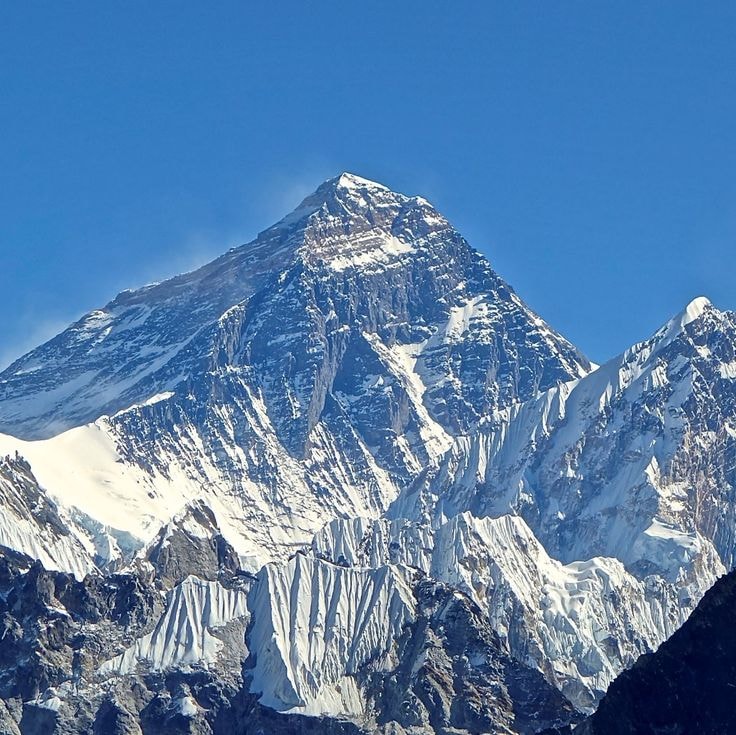
Mount Everest
Known locally as Sagarmatha and to the Sherpa as Chomolungma, the world's highest peak anchors the park's northern border on the Nepal–Tibet frontier.
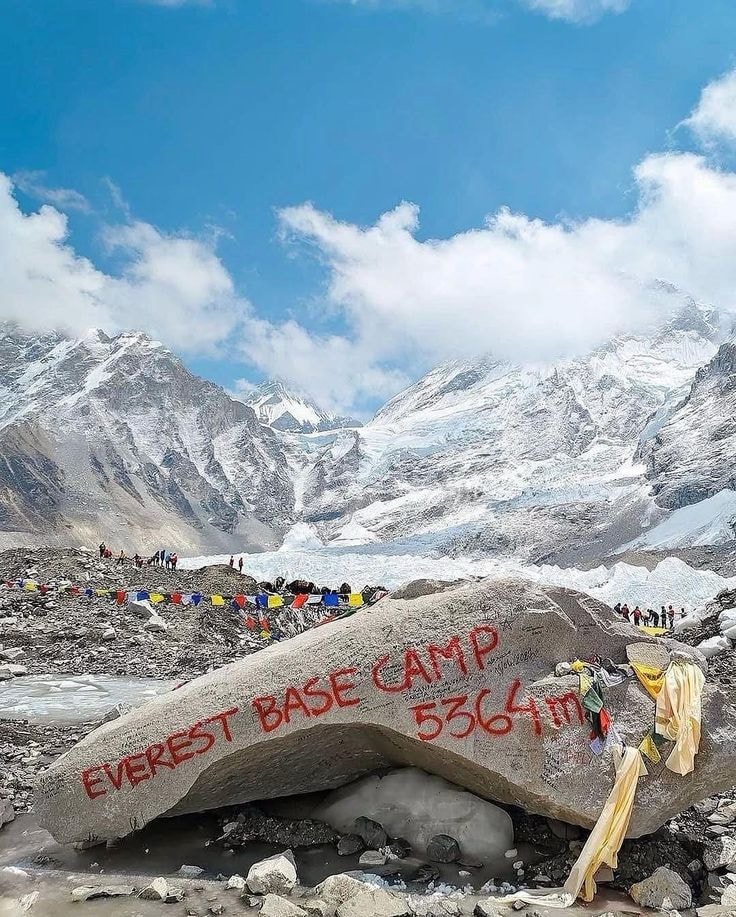
Everest Base Camp
The trekker's gateway to the mountain, set on the Khumbu Glacier at roughly 5,364 m — the endpoint of the park's most iconic trail.
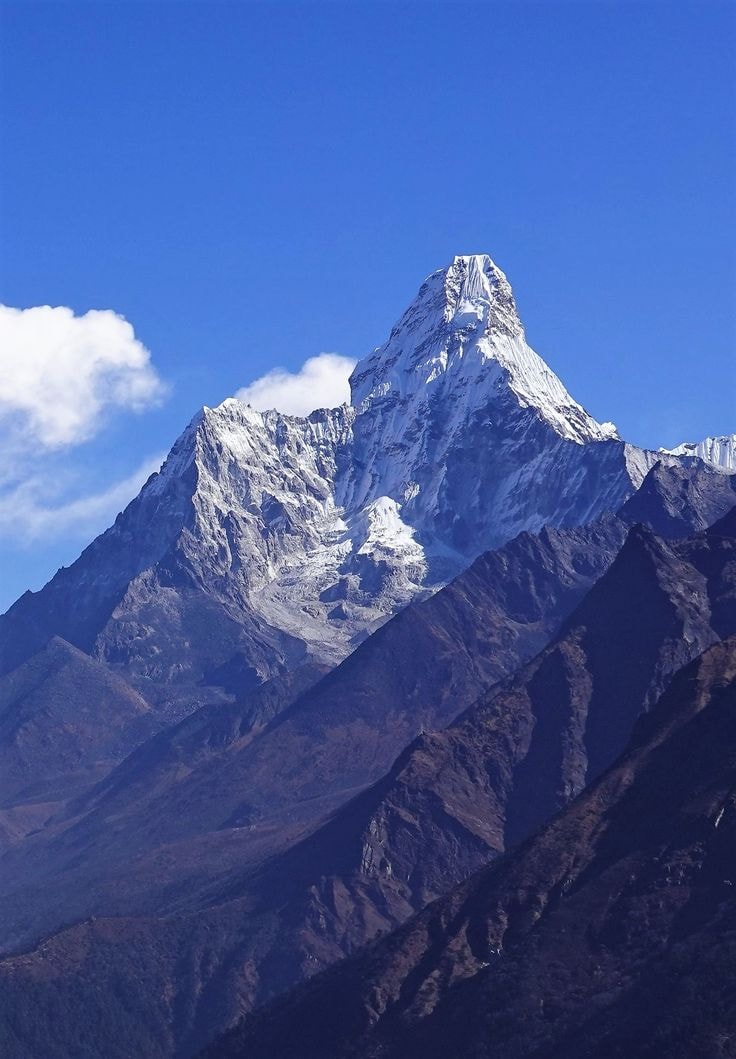
Ama Dablam
Often called the most beautiful mountain in the world, its distinctive twin ridges rise above the trail between Namche and Tengboche.
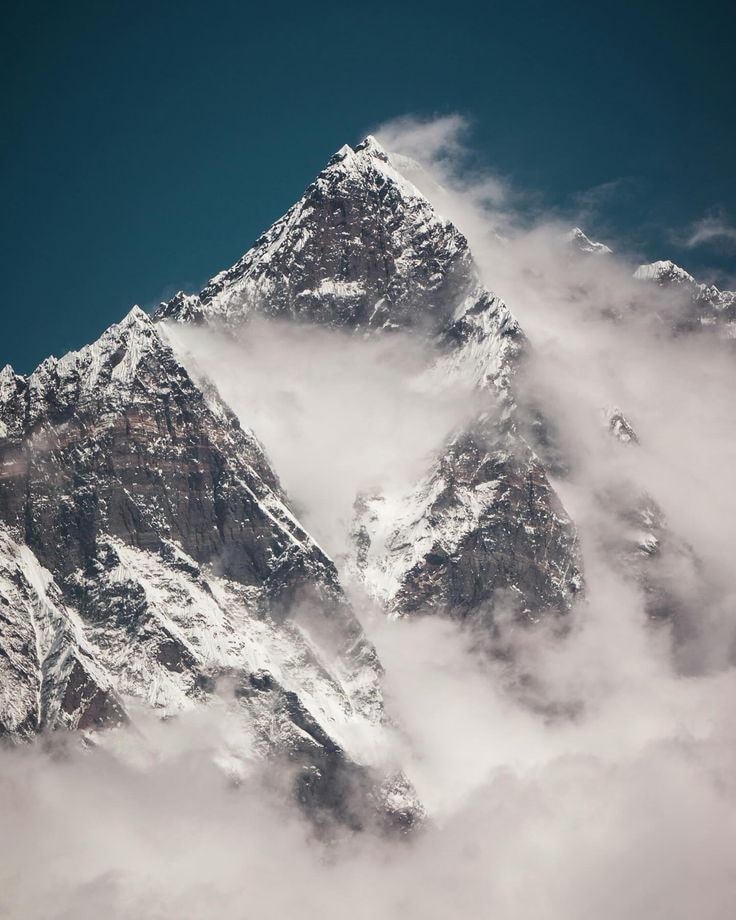
Lhotse
The world's fourth-highest peak shares much of its climbing route with Everest, forming a dramatic wall above the Western Cwm.
A fragile home for rare Himalayan wildlife
Snow Leopard
Panthera uncia
The park's most elusive resident, ranging across the high, rocky slopes above the tree line.
Red Panda
Ailurus fulgens
Found in the rhododendron and bamboo undergrowth of the park's lower forested valleys.
Himalayan Tahr
Hemitragus jemlahicus
A sure-footed wild goat frequently spotted grazing on steep cliffs near the main trekking trails.
Impeyan Pheasant (Danphe)
Lophophorus impejanus
Nepal's iridescent national bird, one of over 118 bird species recorded within the park.
Rhododendron & Birch Forest
Blankets the lower valleys below 3,500 m, bursting into bloom through the spring trekking season.
Blue Pine & Hemlock
Mixed conifer forest gives way to juniper and dwarf birch as the trail climbs toward Namche.
Alpine Scrub & Meadow
Above 4,000 m, hardy scrub and lichen-covered rock take over as the last plant life before the snowline.
Two windows, clear skies
SpringMarch – May
Warming days, blooming rhododendron forests, and the clearest summit views before the monsoon builds.
AutumnSeptember – November
The park's most popular window — stable weather, crisp air, and long visibility across the peaks.
Ready to walk into the park?
Plan the Everest Base Camp trek or browse guided tour packages.