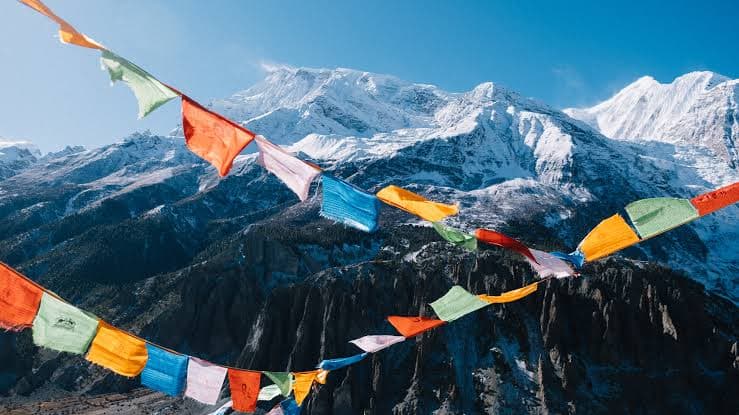
Trekking is one of the most important tourism activities in the Khumbu region, attracting visitors from around the world to the landscapes surrounding Mount Everest. The region offers several trekking experiences rather than a single route, allowing travelers to explore destinations such as Everest Base Camp, Gokyo Valley, Namche Bazaar, Tengboche and traditional Sherpa villages.
The classic Everest Base Camp trek generally follows the trail from Lukla through the Dudh Koshi valley toward Namche Bazaar before continuing through Tengboche, Dingboche or Pheriche, Lobuche and Gorakshep. From Gorakshep, trekkers can continue toward Everest Base Camp and explore the famous viewpoint of Kala Patthar. Nepal Tourism Board identifies Everest Base Camp as one of the most visited trekking destinations in the Himalaya.
However, trekking in Khumbu is not limited to Everest Base Camp. Travelers can explore alternative routes toward Gokyo Valley, where glacial lakes and high mountain viewpoints provide a different perspective of the Everest region. Routes can also connect different valleys through high passes such as Cho La and Renjo La, depending on the trek and conditions.
The experience also provides opportunities to encounter Sherpa culture. Trekkers pass monasteries, prayer wheels, mani walls, traditional settlements and mountain communities throughout the region. UNESCO recognizes the close relationship between the natural environment and Sherpa culture as an important part of Sagarmatha National Park's heritage.
Because many Khumbu trails reach considerable elevations, responsible trekking requires proper preparation and acclimatization. Nepal Tourism Board specifically emphasizes taking time to acclimatize at places such as Namche Bazaar and higher settlements before continuing upward.
Trekking in Khumbu ultimately combines adventure, scenery, culture and personal challenge. Whether the goal is Everest Base Camp, Gokyo Valley or a shorter cultural hike around Namche, the journey allows visitors to experience the remarkable natural and cultural character of the Everest region.