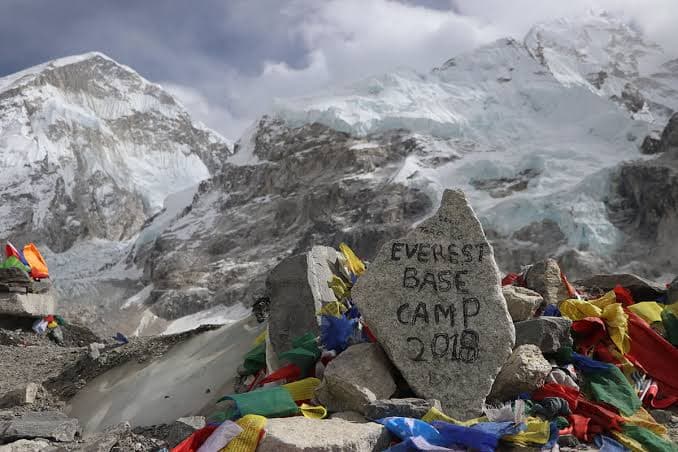
The Everest Base Camp trek is one of the most celebrated adventures in the Khumbu region, taking travelers deep into the heart of the Himalayas and the cultural landscape of the Sherpa people. The journey generally begins with a flight to Lukla before continuing on foot through villages, forests, suspension bridges and high mountain valleys. Along the trail, trekkers pass through important settlements such as Phakding, Namche Bazaar, Tengboche, Dingboche, Lobuche and Gorakshep before reaching Everest Base Camp.
The route is not simply a mountain adventure. It is also an opportunity to experience the culture and traditions of communities that have lived in the Khumbu for generations. Tengboche Monastery, traditional stone houses, prayer wheels, mani walls and colorful prayer flags are among the cultural features encountered along the trail. Sagarmatha National Park, through which much of the trek passes, is recognized as a UNESCO World Heritage Site for its exceptional natural and cultural significance.
One of the most memorable viewpoints associated with the trek is Kala Patthar, from where trekkers can enjoy expansive views of Mount Everest and surrounding peaks. The Nepal Tourism Board's suggested Everest Base Camp itinerary also includes acclimatization stops at Namche Bazaar and Dingboche, highlighting the importance of adapting gradually to increasing altitude.
The Everest Base Camp journey requires physical preparation, appropriate equipment and careful attention to altitude. Travelers should allow adequate time for acclimatization and follow responsible trekking practices. Beyond reaching a famous destination, the trek provides a deeper experience of Khumbu's mountains, communities, landscapes and Himalayan heritage.